
INTERNATIONAL SPEAKERS
-
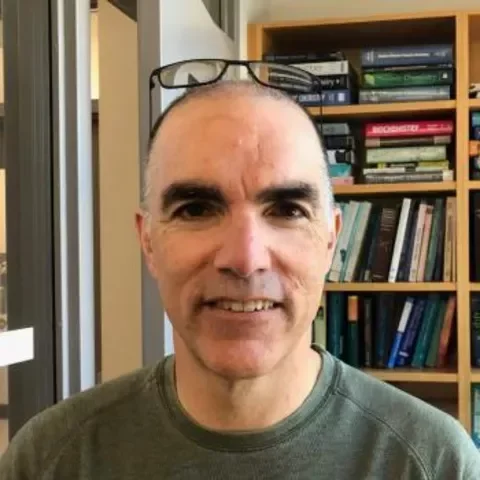
Prof Justin Du Bois
Stanford University
United States
READ BIODu Bois is the Department Chair and Henry Dreyfus Professor of Chemistry at Stanford University and, by courtesy, Professor of Chemical and Systems Biology. He is a distinguished teacher and holds the title of Bass University Fellow in Undergraduate Education. In 2010, he cofounded SiteOne Therapeutics, Inc, a pharmaceutical start-up aimed at developing sodium channel subtype-selective inhibitors as analgesic medicines. This company was recently acquired by Eli Lilly.
Du Bois’ research interests span chemical design and synthesis, physical organic chemistry, biochemistry, and electrophysiology. He and his team are investigating the molecular physiology of voltage gated ion channels, namely sodium (NaV) and chloride (ClC), and the role specific channel subtypes play in pain perception and epilepsy. His lab uses natural toxins—saxitoxin, gonyautoxin, batrachotoxin, antillatoxin, to name a few—as well as designed molecules (AK-42) as lead compounds to develop high precision molecular tools for modulating individual channel isoforms, live-cell imaging, and proteomics studies.
-
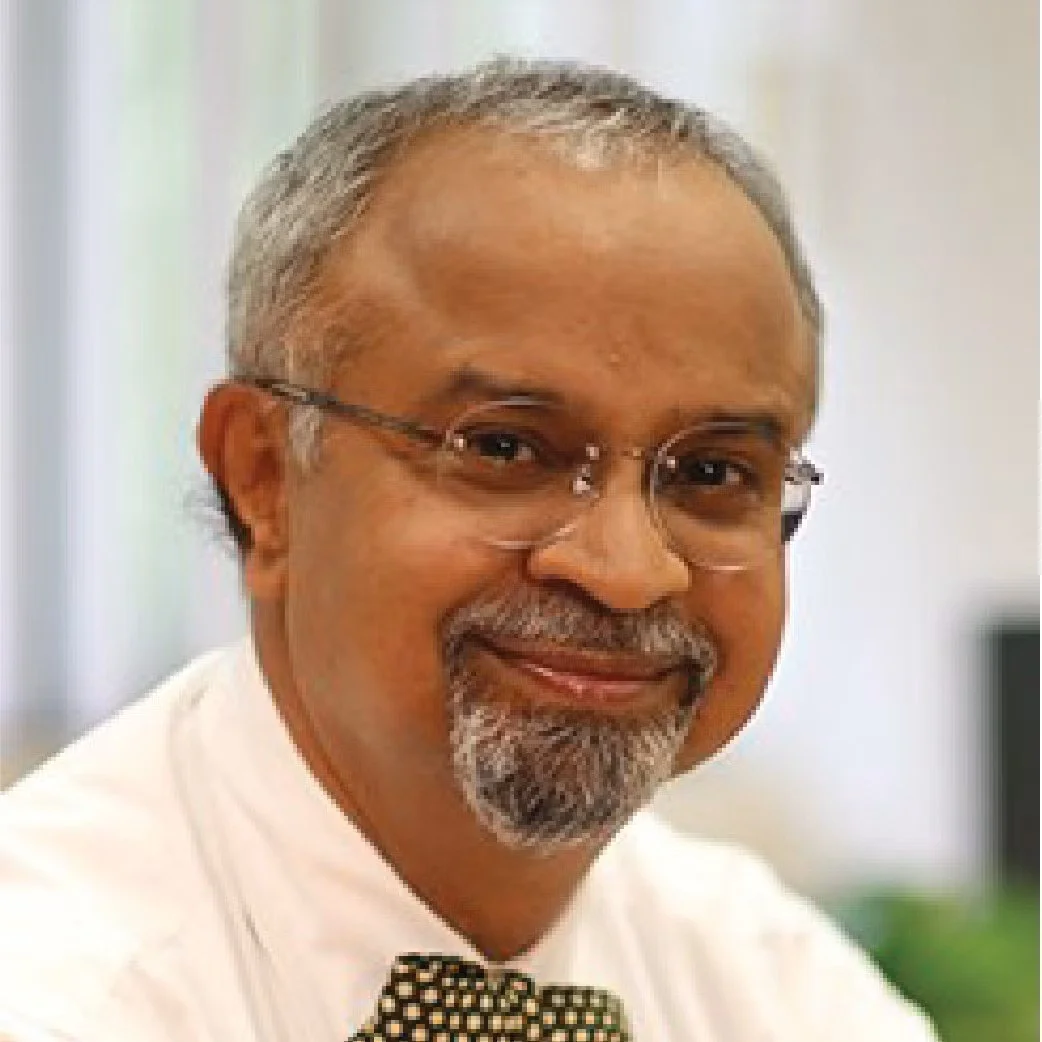
Manjunatha Kini
National University of Singapore
SingaporeREAD BIO
R. Manjunatha Kini is a researcher affiliated with the National University of Singapore. Their work primarily spans the fields of Biochemistry, Genetics, and Molecular Biology, with considerable contributions to Medicine as well. Their research encompasses a broad range of subfields including Molecular Biology, Genetics, Public Health, Environmental and Occupational Health, Infectious Diseases, and Insect Science.
Major research topics covered by Kini include venomous animal envenomation and studies, mosquito-borne diseases and control, viral infections and vectors, ion channel regulation and function, nicotinic acetylcholine receptors study, insect symbiosis and bacterial influences, and biochemical and structural characterization.
-
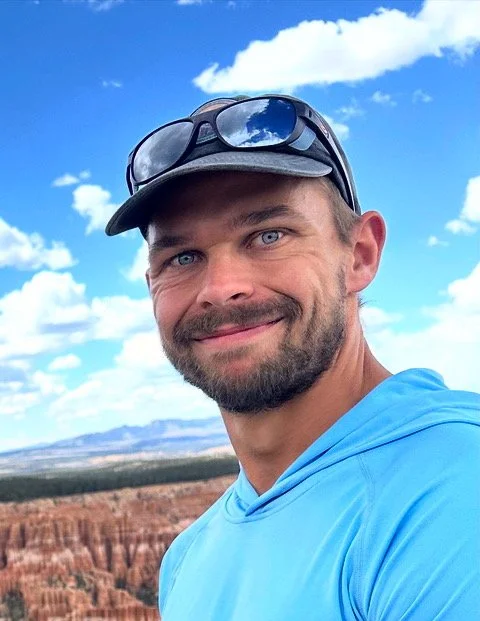
Thomas Koch
University of Oslo
NorwayRead Bio
Thomas Lund Koch is a researcher in molecular evolution and peptide biology whose work focuses on the evolution, diversification, and function of bioactive peptides and their receptors. His research combines comparative genomics, evolutionary analysis, biochemistry, and functional assays to understand how novel peptide signaling systems arise and how they are used in processes such as interspecies interactions and venom evolution. He is particularly interested in peptide hormones, toxin-derived mimics of endogenous signaling molecules, and the evolutionary dynamics of peptide-receptor systems across animal lineages.
-
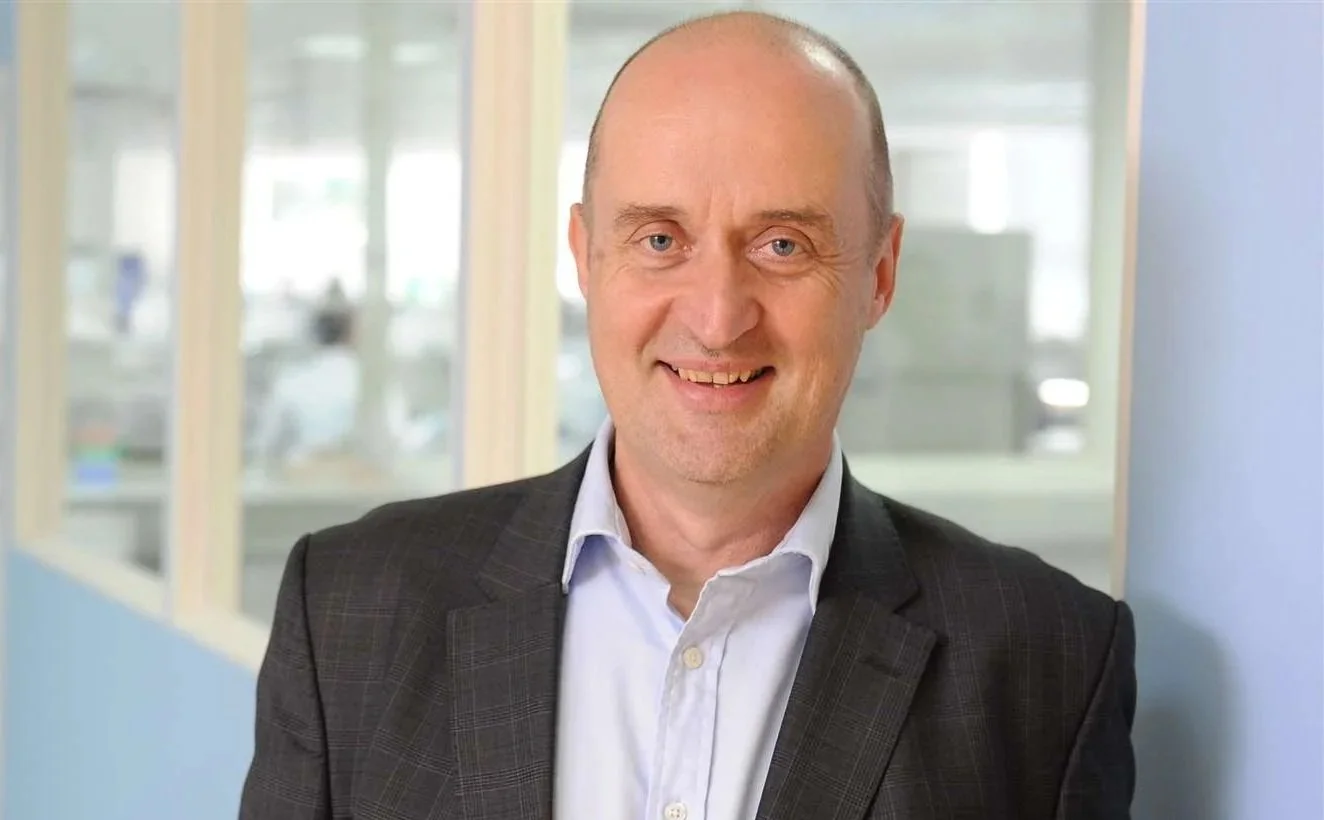
Dr John McCafferty
Maxion Therapeutics
United Kingdom
READ BIOJohn McCafferty is a highly accomplished scientist and entrepreneur with a rich history of leadership in the biopharmaceutical industry. With a career spanning over two decades, he has made significant contributions to the fields of biochemistry, cancer biology, and therapeutic development. As the founder and CEO of Maxion Therapeutics, John has been at the forefront of innovative therapeutic solutions, leveraging his extensive knowledge and experience to drive advancements in treatment protocols as well as drug design. Known for his visionary approach, he has successfully secured partnerships and collaborations that have brought strategic direction to Maxion Therapeutics, ultimately benefiting patients worldwide.
Before his role at Maxion Therapeutics, John co-founded IONTAS, where he served as Chief Scientific Officer (CSO). During his tenure at IONTAS, he was instrumental in developing high-performance antibody therapies, utilizing his expertise in combinatorial antibody technologies. His innovative approach and dedication to advancing science and patient care have significantly bolstered the company’s reputation in the antibody-drug conjugate space.
-
Prof Jim Olson
Seattle Children's Research Institute
United States
READ BIOMy scientific and medical career has been devoted primarily to discovering and advancing new therapies for pediatric brain tumor patients. The children in my clinical practice over the past 27 years have motivated our lab’s translational research, which led to 12 human clinical trials. I recently led a Phase 3 Children’s Oncology Group trial in more than 150 institutions that improved five-year overall survival for high-risk Group 3 medulloblastoma patients from 64% to 83%. Our lab invented Tumor Paint, a molecular imaging agent designed to guide surgeons as they remove tumors with minimal damage to adjacent normal tissue.. Over the past nine years, our lab has evolved into a protein therapeutics lab with a sharp focus on bispecific and multispecific therapeutics.
-
Prof Gyuri Panyi
University of Debrecen
Hungary
READ BIODr. Gyorgy Panyi is a professor and head of the Department of Biophysics and Cell Biology at the University of Debrecen, Faculty of Medicine, Hungary. Dr. Panyi has graduated as a Medical Doctor in 1991, has earned his PhD in 1996 in Biophysics, both degrees were awarded at the University Medical School of Debrecen, Hungary. Part of his research training toward the PhD degree was completed at the University of Pennsylvania, Department of Physiology where he spent 2 years and worked on the molecular mechanism of slow inactivation of K+ channels, and between 2005-06, to study the coupling of activation and inactivation gates in voltage-gated K+ channels.
Dr. Panyi built his career and established his own lab at the University of Debrecen. His research focuses on the molecular pharmacology of voltage-gated K+ channels, more precisely, he isolated and characterized several high affinity Kv1.3 inhibitors isolated from scorpions. He has extended his research in molecular pharmacology of Kv1.3 and focusing primarily on the principles determining the selectivity of the toxins between Kv1.2 and Kv1.3. More recently, he started to work on modified toxins having for example fluorescence protein conjugate and set out experiments to describe the interaction of peptide toxins with heteromeric Kv channels.
Parallel to the toxin research he demonstrated the recruitment of Kv1.3 channels into the immunological synapse, which opened a completely new aspect of the regulation of the immune system by ion channels.
Dr. Panyi published ~150 papers in international peer reviewed journals and mentored 13 graduated PhD students. He built an extensive international collaboration network with scientist from Australia, USA and Israel.
Dr. Panyi’s most significant honor is the European Biophysical Societies’ Association prize (EBSA prize, 2005) “for his innovative contribution to the biological and pharmacological aspects of K+ channels in T lymphocytes”
-
Dr Steve Peigneur
University of Vienna
AustriaREAD BIO
Dr. Steve Peigneur is a toxinologist and pharmacologist currently working as a Marie Skłodowska-Curie Postdoctoral Fellow at the University of Vienna. He obtained his PhD in Biochemistry from the Federal University of Minas Gerais, Brazil, where he developed expertise in the structural and functional characterization of natural toxins. Following his return to Belgium, he was awarded a Postdoctoral Fellowship from the Research Foundation Flanders at KU Leuven, in which he further specialized in venom pharmacology, ion channel modulation, and peptide-based drug discovery.
His research focuses on the identification and characterization of bioactive compounds from animal venoms and poisonous plants, with a particular emphasis on venom-derived peptides that target ion channels and receptors. By integrating toxinology, pharmacology, peptide chemistry, and medicinal chemistry, Dr. Peigneur investigates how naturally occurring toxins can be developed into selective pharmacological tools and lead compounds for therapeutic applications.
His current research intends to discover and optimize venom-derived peptide ligands targeting the hEag1 potassium channel, a promising biomarker and therapeutic target in several cancers, including breast cancer. Through this work, he seeks to improve our understanding of hEag1 function in tumour progression while developing innovative molecules that might serve as leads for targeted cancer therapy. Dr. Peigneur has authored more than 300 peer-reviewed publications and is internationally recognized for his research on venom-based drug discovery and ion channel pharmacology.
-
A/Prof Helena Safavi
University of Utah
United States
READ BIOAssociate Professor Helena Safavi-Hemami, PhD, is a researcher at the University of Utah specializing in the biochemistry of marine venoms, particularly cone snails, to develop novel therapeutics for pain, epilepsy, and diabetes. She leads a lab investigating peptide-based toxins that mimic human hormones.
-
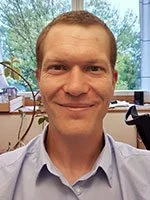
Eivind Undheim
University of Oslo
Norway
READ BIOEivind A. B. Undheim is a research group leader in the Centre for Ecological and Evolutionary Synthesis at the University of Oslo, Norway, whose research focuses on the mechanisms and processes that underlie evolutionary innovation and the emergence of novel traits. He is particularly interested in the biology and evolution of venoms, which are fascinating and key adaptive traits for a wide range of organisms that provide outstanding opportunities for studying evolutionary innovation and novelty at levels that range from morphology to molecules. Undheim also has a keen interest in how understanding venom protein and peptide evolution can guide the development of novel analytical and molecular tools as well as the discovery of new therapeutic and agrochemical leads.
-
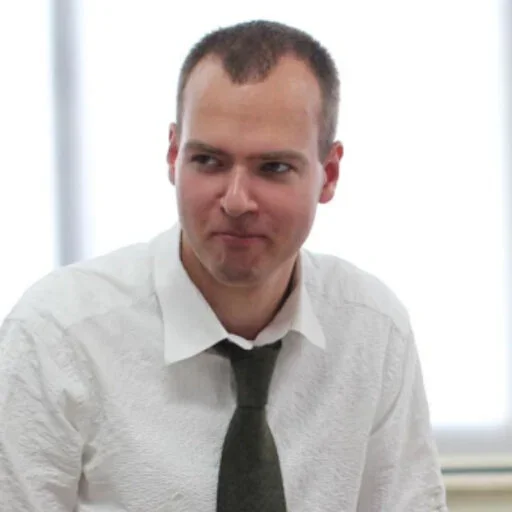
Dr Alexander Vassilevski
Russian Academy of Sciences
Russia
READ BIODr. Alexander Vassilevski is a Principal Investigator and senior scientist at the Shemyakin–Ovchinnikov Institute of Bioorganic Chemistry of the Russian Academy of Sciences (IBCh RAS) in Moscow, where he leads research at the interface of venom peptide chemistry, ion channel pharmacology, and neurobiology.
His laboratory focuses on discovering and characterizing bioactive peptides from animal venoms, particularly spider venoms, and developing these molecules as tools for neuroscience research and as leads for therapeutic development. Key areas of interest include the modulation of ion channels and neuroreceptors, the creation of subtype-selective ligands for potassium and sodium channels, and the design of fluorescent probes to map channel distribution in neural tissues.
Dr. Vassilevski’s work spans structural and functional studies of venom peptides, with applications in pain research, neuropharmacology, and drug discovery. He has co-authored numerous publications on venom-derived peptides that selectively target receptors and channels of biomedical interest.
-
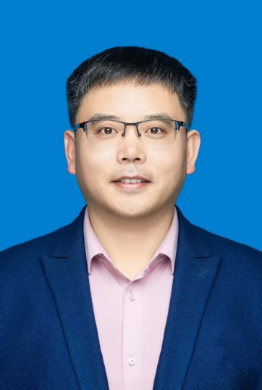
Prof Rilei Yu
University of China
China
READ BIOProf. Rilei Yu's research focuses on the intelligent discovery and structural optimization of marine peptide drug leads (especially from Cone snail venom). He has led over five projects including the National Natural Science Foundation of China (NSFC) Excellent Youth Project, Key Projects of the Joint Fund, and the National Key R&D Program. He has published more than 110 SCI papers, with over 30 as first or corresponding author in the last five years in journals such as Molecular Cell, Nature Communications, Acta Pharmaceutica Sinica B, Pharmacology & Therapeutics, Briefings in Bioinformatics, and the Journal of Medicinal Chemistry. His innovative work has resulted in 8 national invention patents, 2 PCT applications, 5 authorized patents, one software copyright. He has received numerous accolades including the Marine Science and Technology Innovation Award (2025, 2023), the Qingdao Youth Science and Technology Award (2022).
-
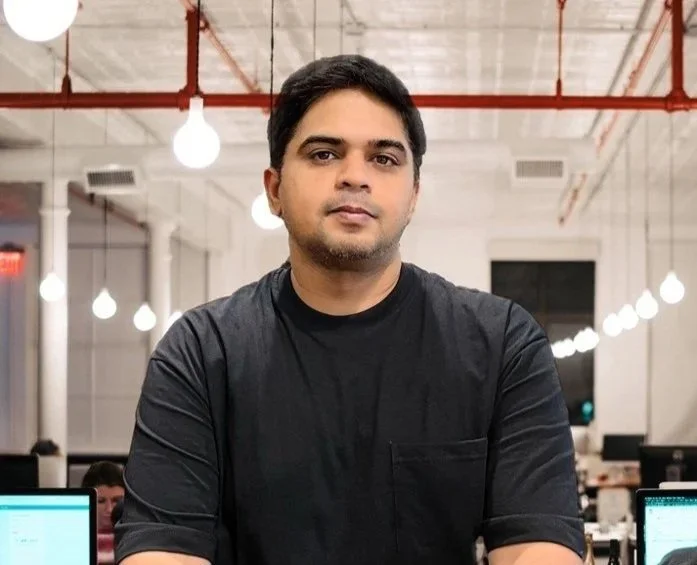
Kartik Sunagar
Indian Institute of Science, Bangalore
India
READ BIOProf. Kartik Sunagar (@anaturalist) is an Associate Professor and a Wellcome Trust DBT India Alliance Fellow at @CES_IISc, @iiscbangalore. His research group (@LabVenomics) addresses broad questions in ecology and evolution using venomous animals and their venoms as model systems. Prof. Kartik Sunagar is a DBT India Alliance Wellcome Fellow and an Associate Professor at the Indian Institute of Science (IISc), Bangalore. He is the founder of the Evolutionary Venomics Lab at IISc and the of Venom Institute for Snakebite Health and Advanced Medicine (VISHAM), a state-of-the-art serpentarium for snakebite education and research being established in Bangalore. His group strives to understand the influence of ecological and evolutionary processes that shape animal venoms. Prof. Sunagar’s lab is also working towards developing next-generation snakebite treatment for India and sub-Saharan Africa.
NATIONAL SPEAKERS
-
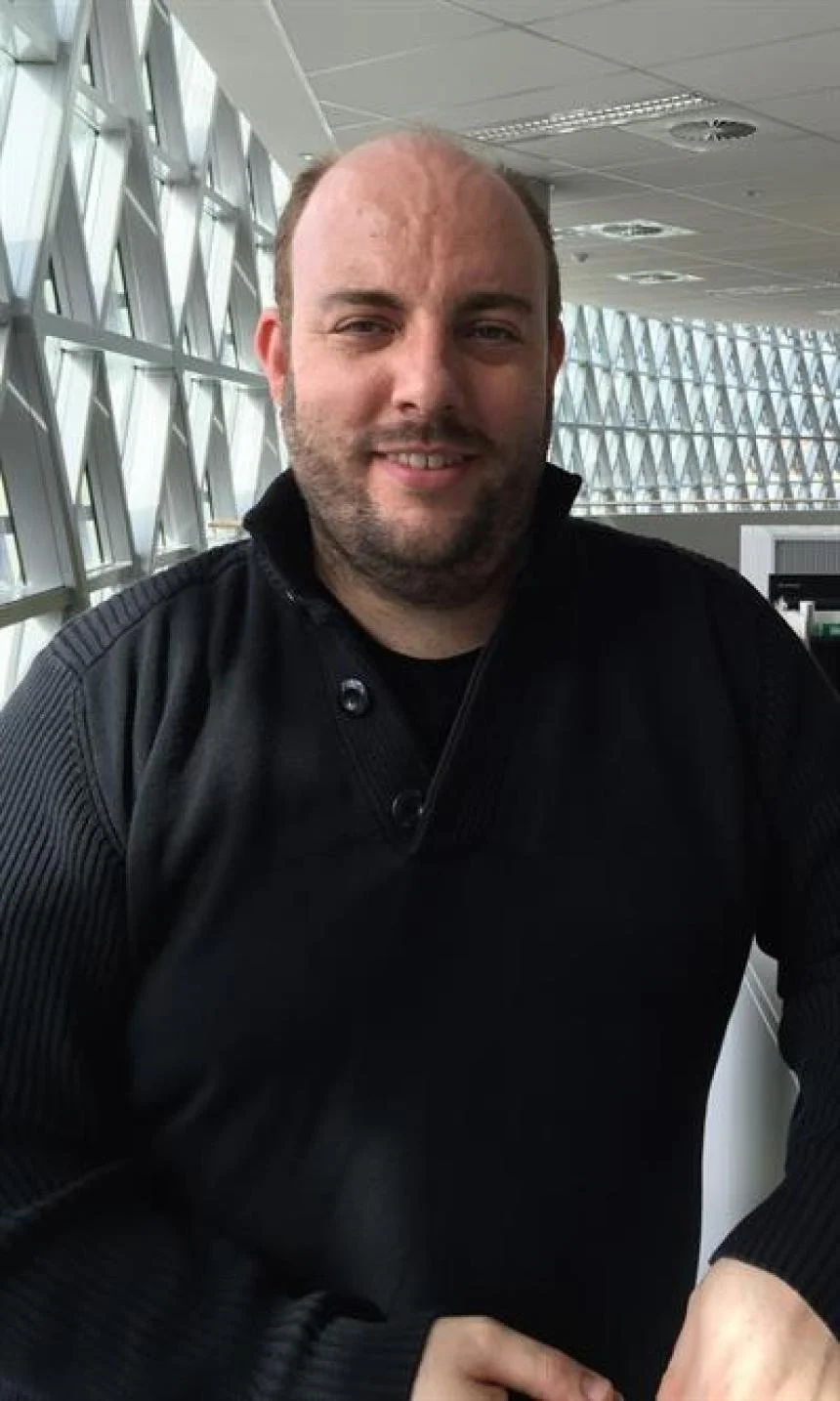
Prof Stuart Brierley
Adelaide University
Australia
READ BIOProfessor Stuart Brierley is Director of the Visceral Pain Research Group, Director of the Hopwood Centre for Neurobiology, and Co-leader of the Lifelong Health theme at the South Australian Health and Medical Research Institute (SAHMRI). He is also an Affiliate of the School of Biomedicine, Faculty of Health and Medical Sciences, Adelaide University.
He is an international expert in the ‘gut-brain axis’ and chronic visceral pain mechanisms. He is an NHMRC Investigator Leadership recipient and received a NHMRC Research Excellence Award in 2016. His research is funded by the NHMRC, ARC, NIH and industry.
-
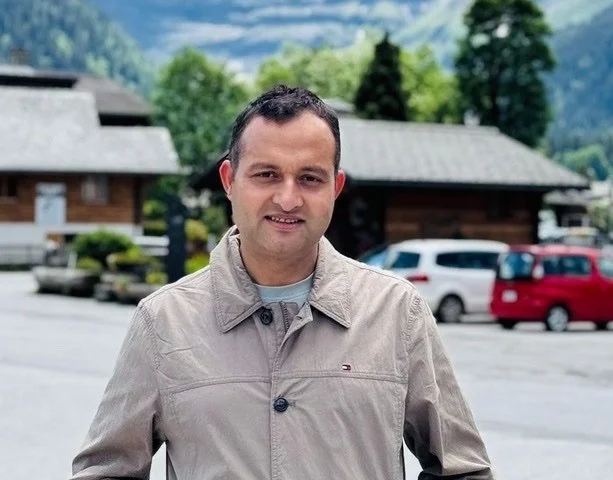
Dr Ram Bhusal
Monash University
Australia
Read BioDr. Ram Bhusal is a Group Leader and NHMRC Investigator Fellow (EL1) at the Biomedicine Discovery Institute, Monash University. His research focuses on the chemokine–receptor axis as a therapeutic target for autoimmune and inflammatory diseases, and cancer. His group harnesses tick-derived chemokine binding proteins (evasins) as a platform for therapeutic development. Using structural biology, protein engineering and computational tools, Dr. Bhusal seeks to understand how evasins recognise and neutralise chemokines and to optimise their drug-like properties, including selectivity, stability, and developability.
Dr. Bhusal received his PhD from the University of Auckland (New Zealand), where he was part of the team that solved the first structure of Mycobacterium tuberculosis isocitrate lyase 2, revealing the molecular basis of the pathogen's metabolic adaptability
-
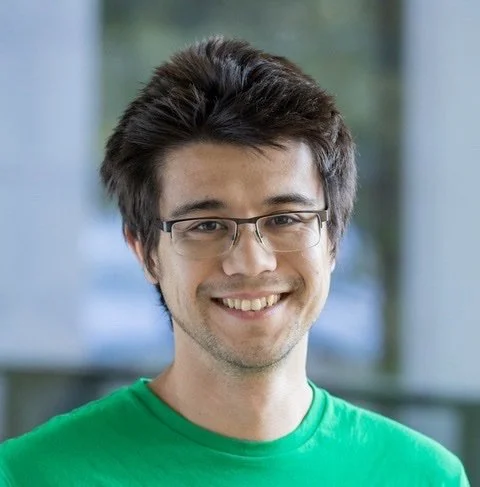
Ben Cristofori-Armstrong
University of Queensland
AustraliaREAD BIO
Ben Cristofori-Armstrong is an ARC DECRA Fellow at the Australian Institute for Bioengineering and Nanotechnology, The University of Queensland, in Mehdi Mobli’s laboratory. His research focuses on the discovery and pharmacology of venom-derived peptides that modulate ion channels. He is particularly interested in understanding how peptide structure and evolution shape ion-channel activity, and in using these molecules as tools and starting points for therapeutic discovery, with a major focus on acid-sensing ion channels.
-
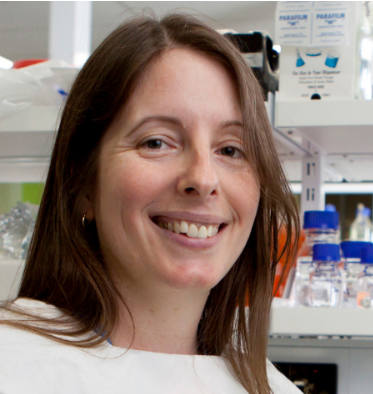
Prof Norelle Daly
James Cook University
Australia
READ BIOProf Daly’s research is focused on developing peptide-based lead compounds for drug design applications. Most of this work is based on proteins derived or engineered from parasites or from venomous animals found in the tropics. Major outcomes from her research include: (a) Development of an orally active peptide with potential in treating inflammatory bowel disease; (b) Development of a highly potent wound-healing agent based on a liver fluke protein. This wound healing agent is being further developed through a recently established consortium, UHEAL, which brings together clinicians and researchers involved in all aspects of wound healing; (c) Determination of the three-dimensional structures of more than 100 peptides; these studies have provided the basis for the discovery of new peptide families, insight into structure/function relationships, and the design of novel peptides with therapeutic potential.
Prof Daly will contribute to the Centre through collaborations involving development of drug leads for inflammatory diseases and discovery of new peptides from tropical flora and fauna.
-
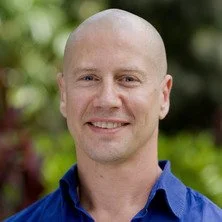
Prof Bryan Fry
University of Queensland
Australia
READ BIOProfessor Bryan G. Fry is a venom researcher and evolutionary biologist at the University of Queensland whose work examines how animal venoms evolve, diversify and act on diverse physiological targets. His research integrates venomics, toxin pharmacology, coagulation biology, receptor evolution and antivenom assessment to understand both the ecological function of venoms and their translational potential. Across more than two decades, he has worked on venom systems spanning snakes, lizards, fish, cnidarians and other venomous lineages, with a particular focus on neurotoxicity, coagulotoxicity and venom-driven molecular innovation.
Professor Fry’s work has helped reveal how venom toxins are recruited, repurposed and refined through evolution, while also informing antivenom efficacy, snakebite treatment priorities and broader toxin-based discovery pipelines. His current research connects evolutionary toxinology with applied biomedical and occupational toxicology, including the use of venom-derived molecules as tools for probing physiology and as leads for therapeutic development. He brings a comparative, mechanistic and translational perspective on how understanding venom evolution can accelerate the identification of biologically meaningful toxin scaffolds.
Professor Fry has led field expeditions to over 40 countries, including Antarctica. He has been featured in over 200 nature documentaries, most recently the Pole to Pole series where he guides actor Will Smith through the Amazon in search of new species.
-
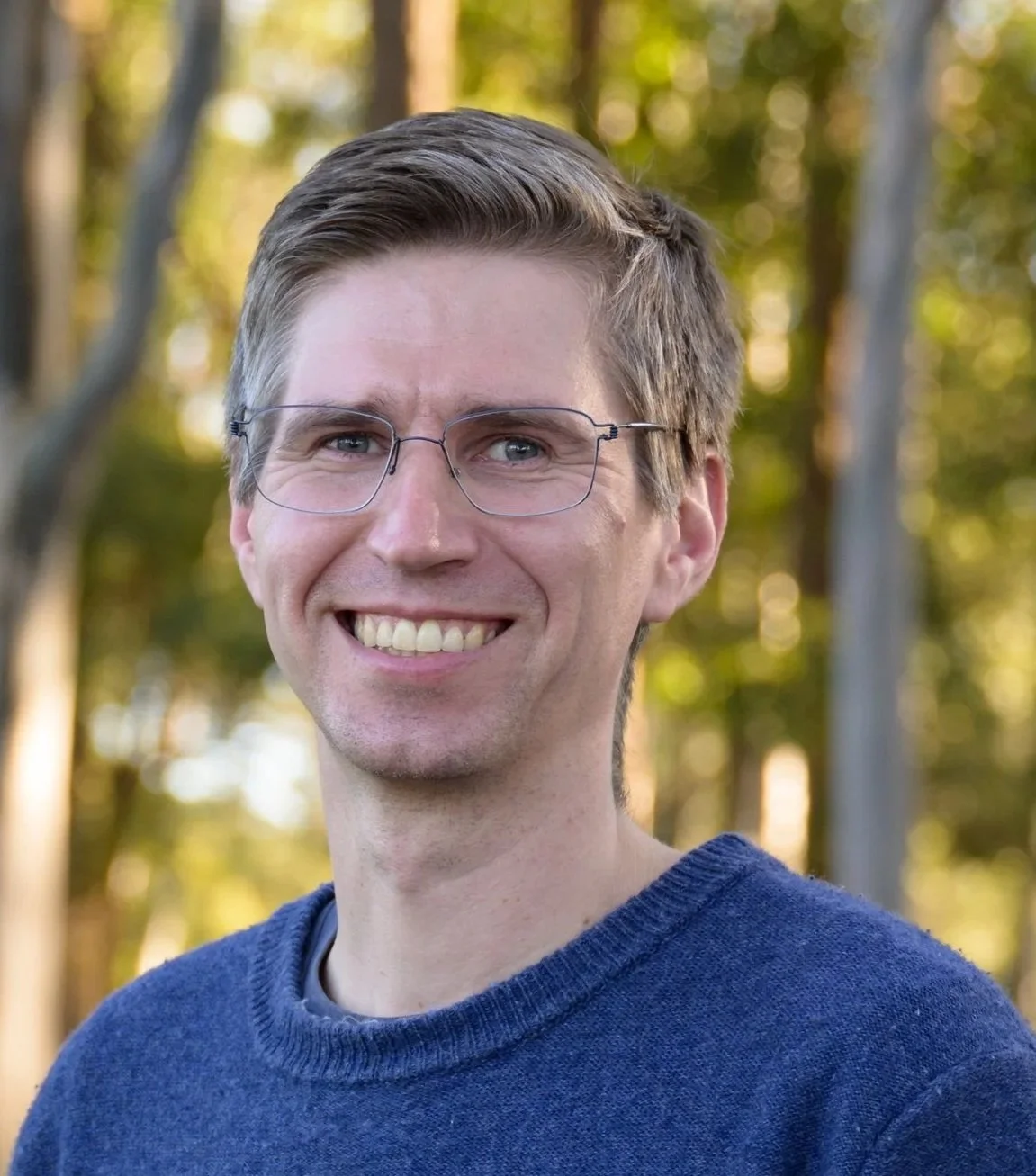
A/Prof Maciej Maselko
Macquarie University
Australia
Read BioA/Prof Maciej Maselko leads a research group in Applied BioScience at Macquarie University and is the CEO of EntoZyme. His work focuses on using animal synthetic biology to address environmental and human health challenges. These include novel genetic biocontrol tools for invasive species, animals engineered for bioremediation, and transgenic insects for sustainable waste management and biomanufacturing. He earned his PhD in Molecular Biology from Oregon State University followed by a USDA-NIFA fellowship and postdoctoral work at the University of Minnesota.
-
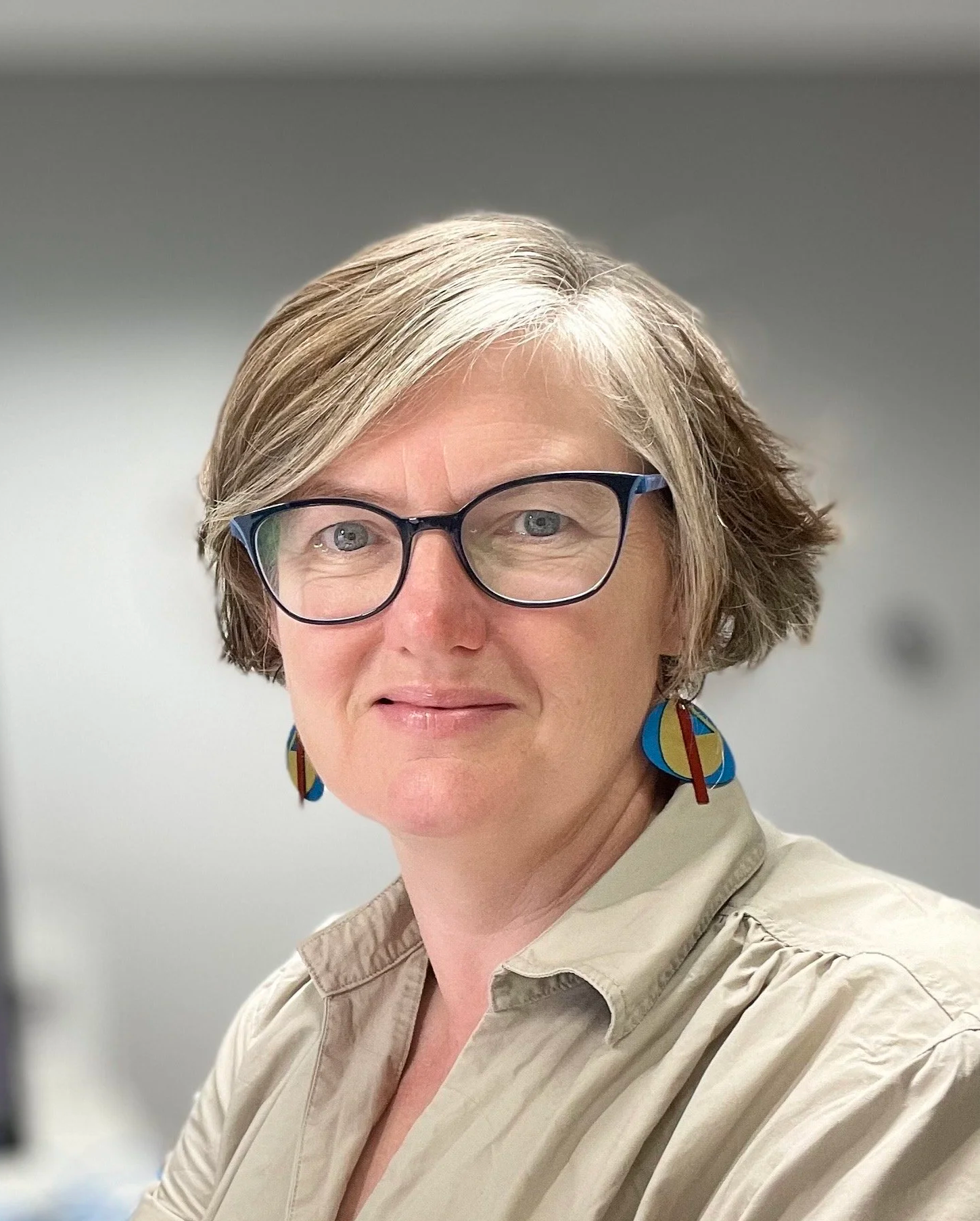
A/Prof Kate Michie
University New South Wales
Australia
READ BIOAssociate Professor Kate Michie is Chief Scientist of the Structural Biology Facility at UNSW Sydney and an academic in the School of Biotechnology and Biomolecular Sciences. She specialises in structural biology and biophysics, with a focus on integrating experimental approaches with emerging computational methods.
Kate trained in protein chemistry and biophysics at the University of Sydney (BSc (Hons), PhD), before undertaking Marie Curie and L’Oréal–UNESCO fellowships at the MRC Laboratory of Molecular Biology, Cambridge, where she transitioned into structural biology. Her work now centres on embedding deep learning–based structure prediction into routine structural biology workflows, alongside cryo-EM, crystallography and biophysical characterisation.
Her research focuses on protein-protein interaction prediction, complex modelling, and the application of protein design approaches, including binder design. She is particularly interested in the capabilities and limitations of current predictive models, and how they can be applied critically to interpret molecular interactions, guide experimental design, and avoid over-interpretation in the analysis of protein interfaces.
-
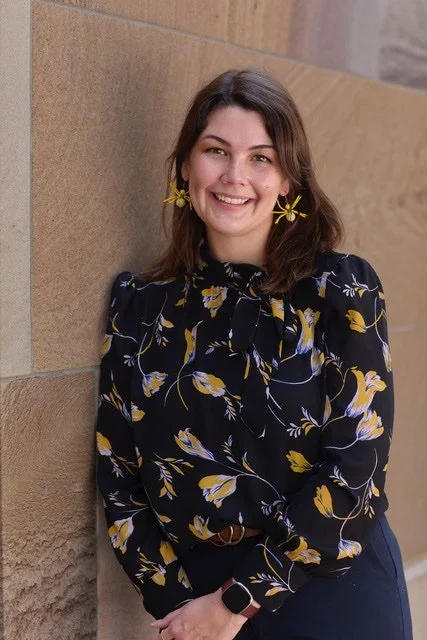
Dr Samantha Nixon
University of Queensland
AustraliaREAD BIO
Dr Samantha Nixon is a Research Fellow at the Institute for Molecular Bioscience at The University of Queensland, Australia. A self-described former arachnophobe and now a passionate advocate for the ecological and biomedical value of spiders, she completed her PhD at UQ exploring spider venoms as a rich source for antiparasitic drug discovery. Dr Nixon subsequently undertook postdoctoral research at the University of California, San Francisco (UCSF), where she investigated the molecular mechanisms underlying resistance to marine neurotoxins.
Her current research integrates multiomics, mass spectrometry, electrophysiology, ecology, and biochemistry to uncover the chemical biology of toxins and their molecular targets. By examining both toxin activity and natural resistance mechanisms across diverse and often non‑model organisms, she aims to harness these systems for innovative biomedical applications. She is particularly focused on developing new tools and assays that expand the toolkit for studying toxin–target interactions beyond traditional model species.Dr Nixon is a passionate science communicator across TV, radio, print and digital media. She has been recognized for her scientific leadership and excellence with the Queensland Women in STEM Prize, Australian Women in Technology Young Science Achiever Award, German Green Talent Award, and competitive fellowships from the Westpac Scholars Foundation and Burroughs-Wellcome Trust.
-
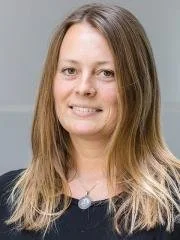
Dr Vanessa Schendel
University of Queensland
AustraliaREAD BIO
Vanessa is a biologist with a research focus on the evolution and function of arthropod venom systems. Her work spans multiple levels of biological organisation, from genes and toxins to venom glands and whole organisms. By integrating evolutionary, molecular, and functional approaches, she aims to develop a systems-level understanding of venom biology and uncover novel bioactive molecules with potential applications in drug discovery and pest management. Vanessa completed her PhD on centipede venoms under the supervision of Assoc. Prof. Eivind Undheim and is currently a postdoctoral researcher with Dr. Sam Robinson in the Vetter Group at the Institute for Molecular Bioscience (University of Queensland), where she investigates the venom systems of wasps and ants.
-
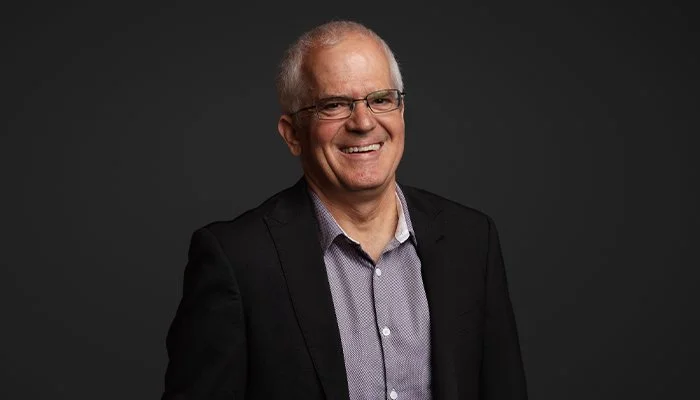
Prof Mark Smythe
University of Queensland
Australia
READ BIOFounder–executive and medicinal chemist with more than 30 years of experience building biotechnology companies and translating platform science into clinical assets and marketed drugs. I have contributed to the discovery of multiple drugs, including Icotyde and Relenza, with Rusfertide currently under final NDA review. I have founded six companies, Cytokine Mimetics Ltd, Protagonist Pty Ltd, Pharmamonde, Protagonist Therapeutics Inc, Vast Bioscience, and Infensa Bioscience, that have collectively advanced seven compounds through 31 clinical trials, including 10 Phase 3 programs. I founded Protagonist Therapeutics and helped grow it from an Australian startup into a transcontinental public biotech company with operations in Brisbane and the San Francisco Bay Area. I am currently the co‑founder and CEO of Infensa Bioscience, translating University of Queensland venom‑based peptide discoveries to clinical candidates.
-
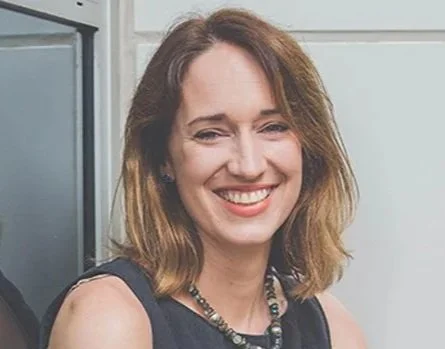
Prof Irina Vetter
University of Queensland
Australia
READ BIOProf Irina Vetter is Head of the Sensory Neuropharmacology Group and an NHMRC Investigator at The University of Queensland. She obtained her PhD in 2007 from the UQ School of Pharmacy and subsequently held NHMRC-funded postdoctoral fellowships at the Queensland Brain Institute and the Institute for Molecular Bioscience, where she developed expertise in ion channel pharmacology and venom peptide bioactivity.
Her research focuses on the discovery and mechanistic characterisation of bioactive molecules from animal venoms, with a particular emphasis on venom-derived modulators of ion channels involved in pain signalling. Prof Vetter leads multidisciplinary programs integrating toxinology, neuropharmacology and translational drug discovery to identify novel therapeutic leads from venom peptides. She is Lead Investigator on the NHMRC-funded Deadly Venoms program, which aims to harness the pharmacological diversity of venom peptides to develop new treatments for pain and other disorders.
Prof Vetter has extensive experience in toxinology, sensory neuroscience, and high-throughput functional screening, and her work has contributed to the identification of new molecular targets and lead compounds for analgesic development. She is the recipient of the International Association for the Study of Pain Patrick Wall Young Investigator Award (2018). Her current research centres on understanding peripheral pain mechanisms and leveraging venom-derived ion channel modulators as next-generation therapeutics.
-
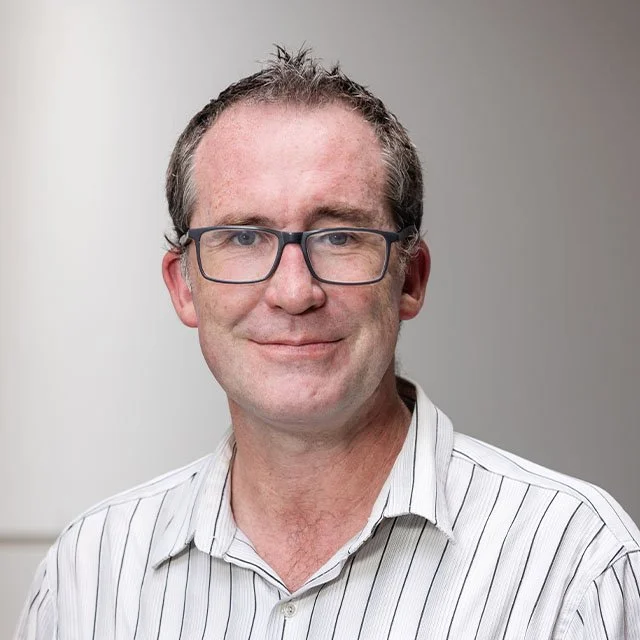
Dr Andrew Walker
University of Queensland
AustraliaREAD BIO
Dr Walker’s research focusses on the evolution and function of peptides and proteins that mediate ecological interactions and extended phenotypes. His favourite examples are venom and silk, two supermaterials whose production has been elevated to a high art by the most speciose group of animals, the arthropods. Studying the molecules that make up these materials provides us with a twofold opportunity to better understand Nature and to develop new biotechnologies to benefit human societies and our natural environment. His current work focusses on disulfide-rich toxins produced by paralysis ticks and venomous caterpillars.
Andy completed his doctoral studies in 2014 at the Australian National University and CSIRO. Currently, he is an Australian Research Council Future Fellow in the laboratory of Prof. Glenn F. King at The University of Queensland's Institute for Molecular Bioscience.
-
Prof Denise Wootten
Monash University
Australia
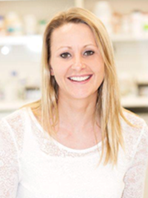
READ BIODenise Wootten is a Professor in the Faculty of Pharmacy and Pharmaceutical Sciences at Monash University, a Senior Research Fellow of the National Health and Medical Research Council of Australia, and the Monash node leader for the ARC Centre for Cryo-EM of Membrane Proteins (CCeMMP). Prof. Wootten is an international expert in the study of G protein-coupled receptors (GPCRs), particularly the class B1 GPCR subfamily. Her research is directed towards understanding drug action at GPCRs, in particular modes of GPCR activation, signalling and regulation, biased agonism, allosteric modulation and the interaction of receptors with regulatory accessory proteins, and the application of cryo-EM to GPCR structure elucidation. Her research incorporates structural biology (cryo-EM), molecular, cellular and analytical pharmacology, computational biology, and preclinical mouse models of metabolic disease. She has published >100 peer reviewed research publications, and is an associate member of the Faculty of 1000, serves on the editorial board of the British Journal of Pharmacology and is a scientific advisor for Septerna Inc.
-
Dr. Shaodong Guo
University of Sunshine Coast
Australia
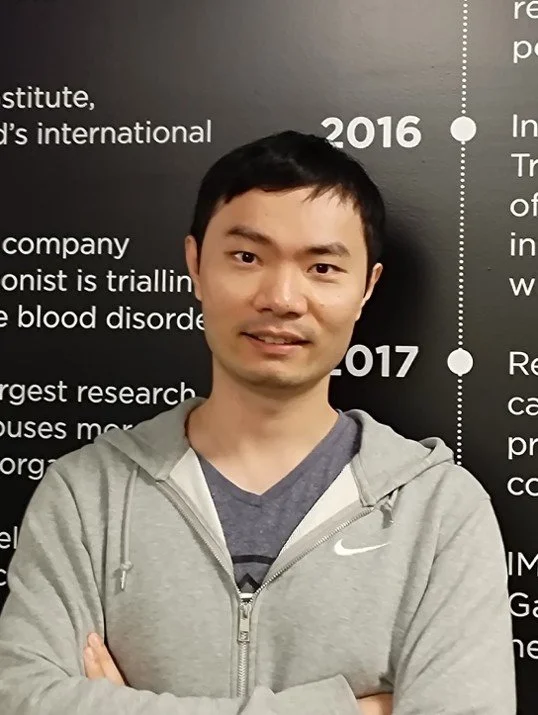
READ BIODr. Shaodong Guo finished his PhD in 2022 at the Institute for Molecular Bioscience from the University of Queensland (Australia) in the group of Prof. Glenn King. At the same year, Dr. Guo is employed as an early career postdoctoral researcher in the group of A/Prof. Herzig at the University of the Sunshine Coast (Australia), focusing on discovery and characterizing orally active arachnid venom peptides. In 2024, Dr. Guo was awarded Advance Queensland Industry Research Fellowship focusing on the development of arachnid venom peptides as bioinsecticides for Australian plague locusts control. A major research focus of his work is using patch-clamp electrophysiology to study the mode of actions of venom peptides on insect ion channels.
-
Prof. Mehdi Mobli
University Of Queensland
Australia
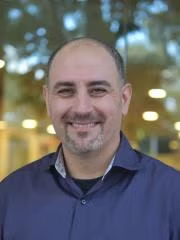
READ MOREProf. Mehdi Mobli (BSc ChemEng, Chalmers, 2000, Sweden) received his PhD in physical organic chemistry from The University of Liverpool (UK) He undertook postdoctoral studies at The University of Connecticut Medical School (USA), The University of Manchester (UK) and The University of Queensland (UQ).
He established his research group in 2012 through an ARC Future Fellowship and is currently a Senior Group Leader at UQ’s Australian Institute for Bioengineering and Nanotechnology (AIBN). His research has been recognised by the Sir Paul Callaghan Medal (ANZMAG), the Tregear Award (Australian Peptide Society) and the MERCK Research Medal (ASBMB).